Copper Keeps Its Price While Aluminium Gives Back Its War Premium
Standard Chartered says aluminium has erased its Middle East risk premium, yet copper stays high on tight Asian stocks and a US tariff review.
When the war in the Middle East began, almost every industrial metal picked up a risk premium. Months later, two of the biggest have gone separate ways. Aluminium has handed its premium back. Copper has not, even though it had a rough week in early November.
The clearest statement of the split comes from Standard Chartered’s commodity analysts, as summarised by Alex Kimani at OilPrice.com on 21 October. Aluminium closed below $3,000 a tonne on 14 and 15 October for the first time this year, then recovered the next day. The bank’s wording, as OilPrice relays it, is blunt:
Aluminium prices have erased the entire Middle East supply risk premium.
Standard Chartered trimmed its aluminium forecast to $3,249 a tonne for 2026 from $3,318, and to $3,001 for 2027 from $3,199. OilPrice’s summary of the note points to supply that kept coming. China’s smelters were running at a 98.5% utilisation rate, August output was 3.98 million tonnes, and output for the year to date stood at 31.1 million tonnes, up 3.9% from a year earlier. Exports of unwrought aluminium and semi-finished products rose 25.9% in September to 656,000 tonnes, a three-month high. China keeps a 30% export tax on primary aluminium, so the metal leaving the country is mostly in processed form.
Copper’s problem is the opposite one
For copper the same note goes the other way. Standard Chartered raised its 2026 average forecast to $13,674 a tonne from $13,472, and its 2027 forecast to $13,210 from $12,875. Copper was up about 16% for the year at that point, with a string of record highs along the way. The bank says it expects prices to stay elevated through the rest of 2026.
The reasons are physical rather than geopolitical:
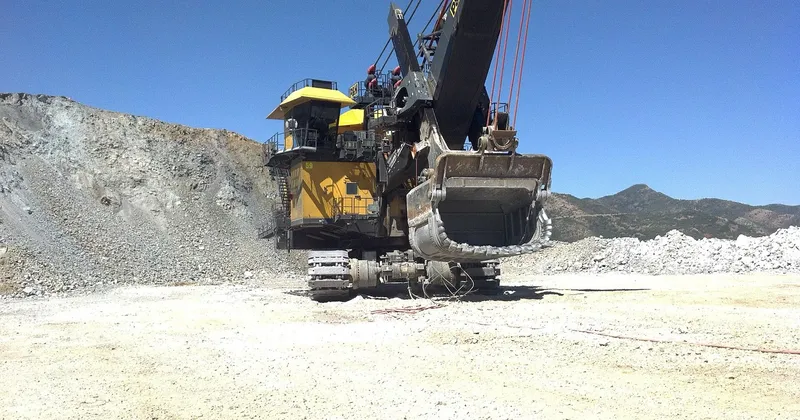
- Mine supply. Chile’s output fell 12.8% year on year in August, and the bank expects the country’s 2026 production to fall by slightly more than 5%.
- Where the metal sits. Stocks on the US Comex exchange hit a record 790,400 tonnes, while London Metal Exchange stocks have been falling in October. Metal drawn into US warehouses is metal the rest of the world cannot use.
- Premiums. The Yangshan import premium in China rose to $137 a tonne, its highest since November 2022, a sign that Chinese buyers were paying extra to secure cargoes.
- Market shape. The nearest London spread has mostly been in backwardation since July, which means metal for immediate delivery costs more than metal for later. That pattern usually signals scarcity.
The US tariff question sits behind all of this. Refined copper imports have been exempt so far, and Standard Chartered calls the tariff review “the key event risk”; the administration has not said whether refined metal will be covered. A record Comex stockpile is consistent with traders expecting a tariff, though the sources do not say that is the cause. A decision either way would change where the metal wants to be.
What the November wobble tells us
On 6 November the picture looked different for a day. SMM, the Shanghai-based price reporter, recorded LME copper closing at $13,774 a tonne, down 1.72%, after a session that opened at $14,049.50 and touched a low of $13,739. SMM described the move as “long liquidation”, meaning holders of bullish positions were closing them rather than new sellers arriving.
SMM listed the triggers as the US midterm elections setting off a tech-stock selloff, hawkish comments from Federal Reserve officials (it names Barkin, who called gradual rate hikes reasonable, and Hammack, who said policy must stay restrictive), and Middle East news including Iran’s nuclear proposal to the United States, then under review. Each of those pushes in the same direction: a firmer dollar and a harder time for assets priced on growth.
The physical signals SMM reported that morning were less bearish. Copper inventories in China’s main regions fell by under 10,000 tonnes in the week to 5 November to about 60,000 tonnes, roughly 140,000 tonnes below the same point last year, when they were near 200,000. But buyers downstream were purchasing hand to mouth, and SMM said acceptance of current prices was falling, with wait-and-see sentiment “relatively strong” and few deals done.
That is the tension in the copper market today. Low stocks and tight supply argue for firm prices; fabricators who will not stock up argue that the price may have run ahead of real demand.
What to watch
These are the items that decide whether the gap between copper and aluminium persists:
- The US decision on tariffs for refined copper, which would move Comex stocks one way or the other.
- Whether China’s visible stocks stay far below last year’s level.
- Chile’s monthly output, which Standard Chartered treats as the main supply risk.
- Aluminium export data from China, since the export figures were what undercut the war premium.
Neither Standard Chartered’s forecasts nor SMM’s day-by-day notes are predictions to lean on; both are snapshots, and the bank itself describes the tariff review as the event that could change its view. What the two metals do show is that a war premium and a supply shortage are different things. The first can disappear in a few weeks when cargoes keep moving. The second lasts as long as the mines, smelters and warehouses stay out of balance.
Sources
More in Markets
-
The Dollar Climbs to a 19-Month High: Yen Near 160, Euro Near $1.10, Yuan Hardly Moving
Fed data show the dollar gaining on the yen, euro, pound and Canadian dollar in one week, while the yuan stayed almost flat. Rate-hike bets are the common thread.
-
Gold Falls to a One-Year Low as Rate-Hike Bets Build, Heading for Its Worst Year Since 2015
Spot gold touched $3,830 on 16 November, 31.5% below January's record. An inflation shock that usually helps gold is instead pushing yields and the dollar up.
-
Fed Stability Report: Hedge Fund Leverage at a Record, Term Premiums Up, and Yields Higher Since
The Fed's November Financial Stability Report uses data to 28 October. Treasury yields have moved further since, and hedge fund leverage is the highest on record.