The Dollar Climbs to a 19-Month High: Yen Near 160, Euro Near $1.10, Yuan Hardly Moving
Fed data show the dollar gaining on the yen, euro, pound and Canadian dollar in one week, while the yuan stayed almost flat. Rate-hike bets are the common thread.
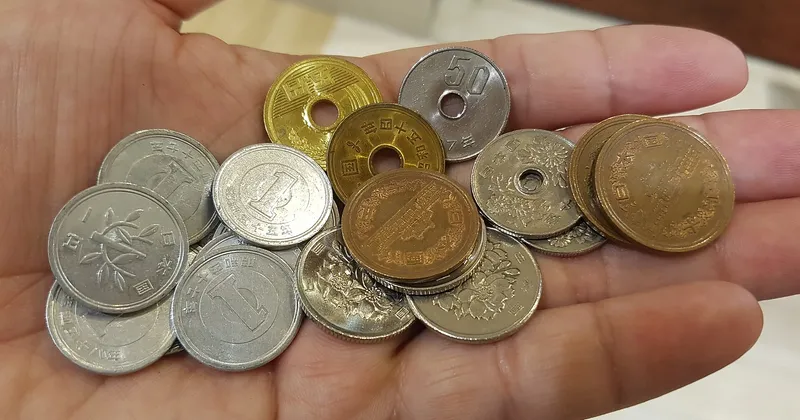
In the five trading days to 13 November, the dollar rose against almost every major currency, and one currency barely noticed. The Federal Reserve’s weekly H.10 release, published on 16 November, gives the daily rates, and they read like a single trade being repeated across the board.
The week in the Fed’s numbers
From Monday 9 November to Friday 13 November, the Fed’s data show:
| Currency | 9 November | 13 November |
|---|---|---|
| Japanese yen per dollar | 157.99 | 159.93 |
| US dollars per euro | 1.1204 | 1.1034 |
| US dollars per pound | 1.3420 | 1.3212 |
| Canadian dollars per dollar | 1.4130 | 1.4256 |
| Chinese yuan per dollar | 6.6727 | 6.6710 |
The Fed’s broad dollar index, which weights the dollar against a basket of trading partners, climbed from 121.66 to 122.65. There is no reading for 11 November in the release.
The euro lost about 1.5% against the dollar in the week and sterling about 1.5%. The yen lost about 1.2%. The yuan, in contrast, ended the week fractionally stronger. That is what a managed currency looks like next to floating ones: while the others moved a cent or more, the yuan moved by less than a hundredth of a yuan. The Fed’s table does not explain why, and nothing in these sources does either.
What the market said it was doing
A Reuters report on 12 November, mid-week, put the dollar index at 102.98, the highest since April 2025, with the euro at $1.108, its lowest since May of last year. The reason was fairly simple. Traders were adding to bets on further Federal Reserve rate hikes after stronger-than-expected October inflation and hawkish remarks from Fed officials. Reuters said some brokerages, including Goldman Sachs, now expect one hike in December and another early next year.
Gavin Friend, a senior markets strategist at National Australia Bank, was quoted as saying that “Fed officials appear to be falling over themselves to talk up rate hikes.” Higher expected US rates make dollar deposits and bonds more attractive, which draws money into the currency.
Other currencies on that day fit the pattern: the Australian dollar was at $0.6836, near a seven-month low, and the New Zealand dollar at $0.5552.
The yen and the 160 line
The yen is the currency that officials are watching most closely. On 12 November the dollar traded around 159.74 yen. Sho Suzuki of Matsui Securities told Reuters that “once dollar/yen rises above 160, I think caution will increase another notch.” The Fed’s data show it reached 159.93 on the 13th, just under that mark.
Japanese officials have been clear about their attention. Atsushi Mimura, the country’s currency diplomat, said it was “too early to forget” the summer intervention, and Reuters noted the remark pushed the pair to its low of the day. Reuters also reported that Japan’s wholesale inflation was 7.1% in October and that Bank of Japan board member Toichiro Asada had argued against a near-term rate rise. A weak yen, rising import costs and a divided central bank are all in the same story, covered in a separate article on this site about the Bank’s October meeting.
What a strong dollar does elsewhere
A rising dollar has costs that fall outside the United States. Countries that import oil pay in dollars, so a weak local currency adds to the energy bill. Borrowers with dollar debts see the burden increase. The same move eases pressure on US importers and makes American travel abroad cheaper.
It can also spill into other markets. Gold, which is priced in dollars, hit a one-year low this week, and Reuters’s gold reports cite the dollar as one of the causes.
What these numbers cannot show
The Fed’s release gives one rate per day, not the highs and lows, and it does not forecast. The Reuters report covers one day, and the dollar index level it cites (102.98) is a different index from the Fed’s broad measure (122.65), so the two should not be compared with each other.
What remains uncertain is whether the move continues. It rests on one expectation, that the Fed will raise rates in December, and a change in that expectation could unwind a good deal of it.
Sources
More in Markets
-
Gold Falls to a One-Year Low as Rate-Hike Bets Build, Heading for Its Worst Year Since 2015
Spot gold touched $3,830 on 16 November, 31.5% below January's record. An inflation shock that usually helps gold is instead pushing yields and the dollar up.
-
Fed Stability Report: Hedge Fund Leverage at a Record, Term Premiums Up, and Yields Higher Since
The Fed's November Financial Stability Report uses data to 28 October. Treasury yields have moved further since, and hedge fund leverage is the highest on record.
-
Copper Keeps Its Price While Aluminium Gives Back Its War Premium
Standard Chartered says aluminium has erased its Middle East risk premium, yet copper stays high on tight Asian stocks and a US tariff review.